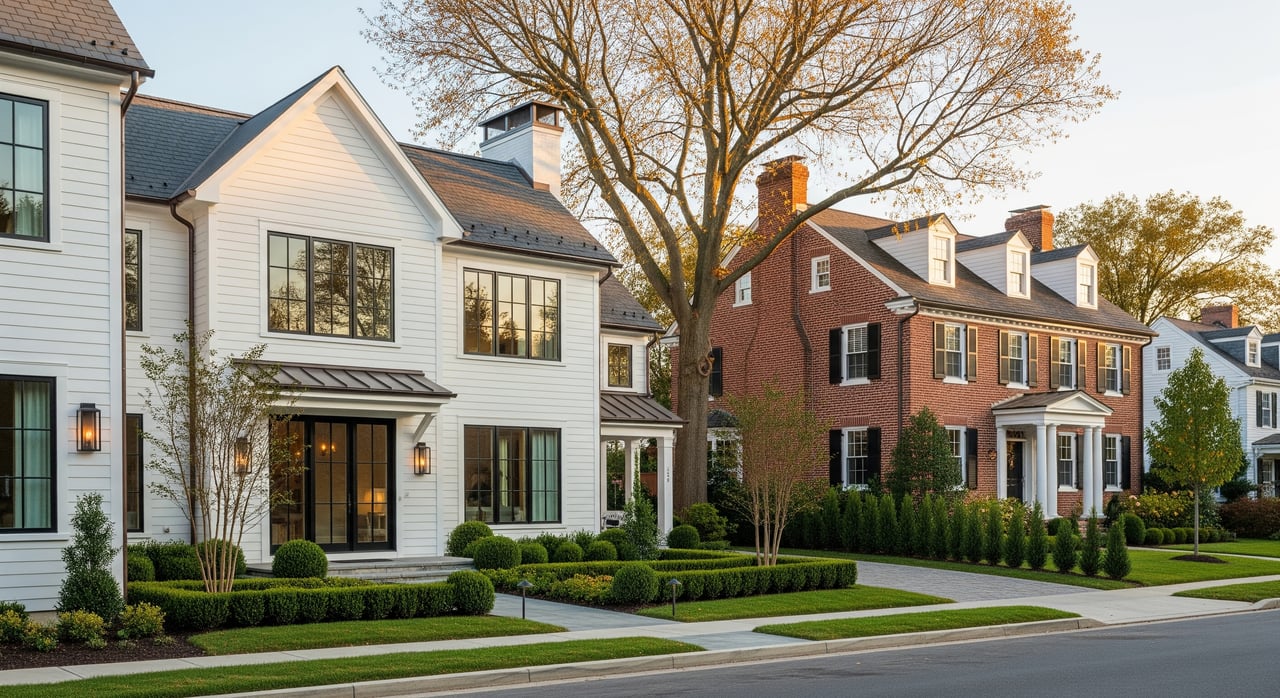
Deciding between a shiny new build and a character-filled resale in Middletown can feel like a coin toss. You want the right home at the right price without surprises after closing. In this guide, you’ll see a clear, side-by-side look at costs, timelines, warranties, HOAs, and long-term value so you can choose with confidence in the Middletown area of New Castle County. Let’s dive in.
New construction in Middletown
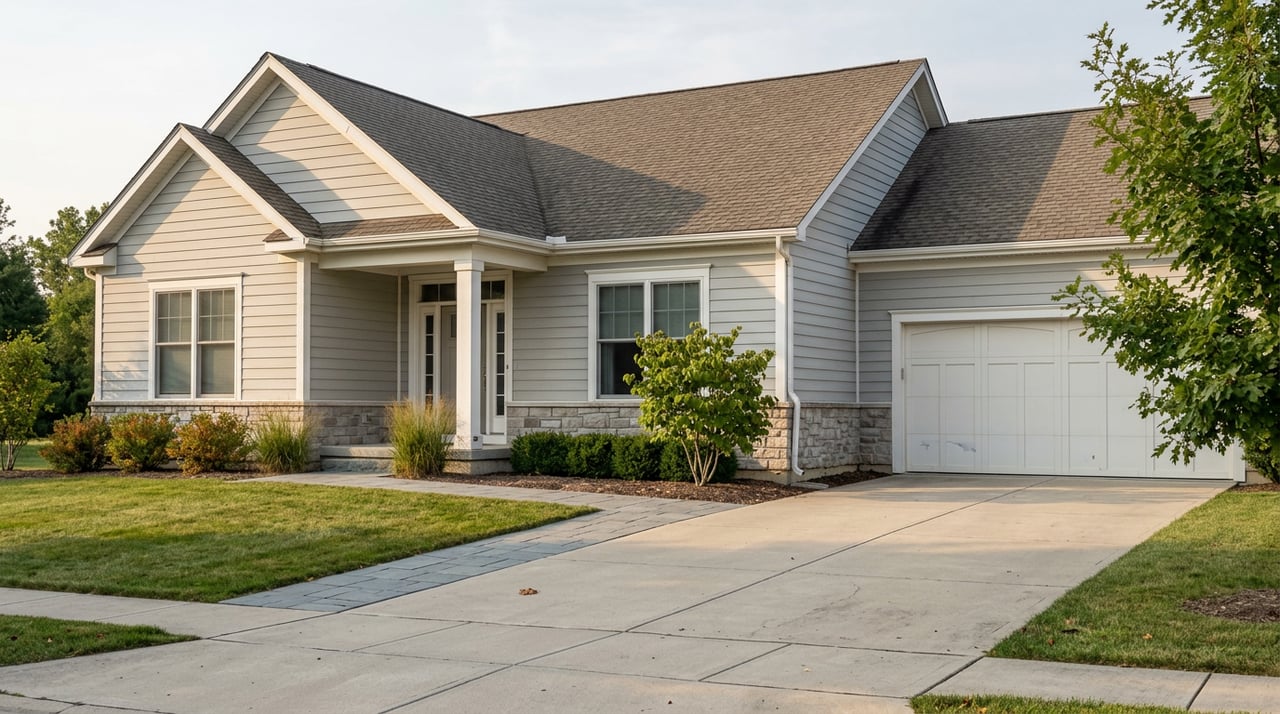
New communities around Middletown reflect the area’s growth within the Wilmington metro. Many buyers look here for fresh floor plans, energy-efficient systems, and neighborhood amenities. You typically choose from builder plans, select finishes, and decide on options that fit your lifestyle and budget.
What to expect:
- Pricing often carries a premium over comparable resales, especially once you add options and lot premiums.
- Timelines vary by builder and lot availability. Build-to-order can take several months or longer, while spec homes may deliver sooner.
- Warranties are a key benefit. Most builders offer staged coverage for workmanship, systems, and structure.
Resale homes in Middletown
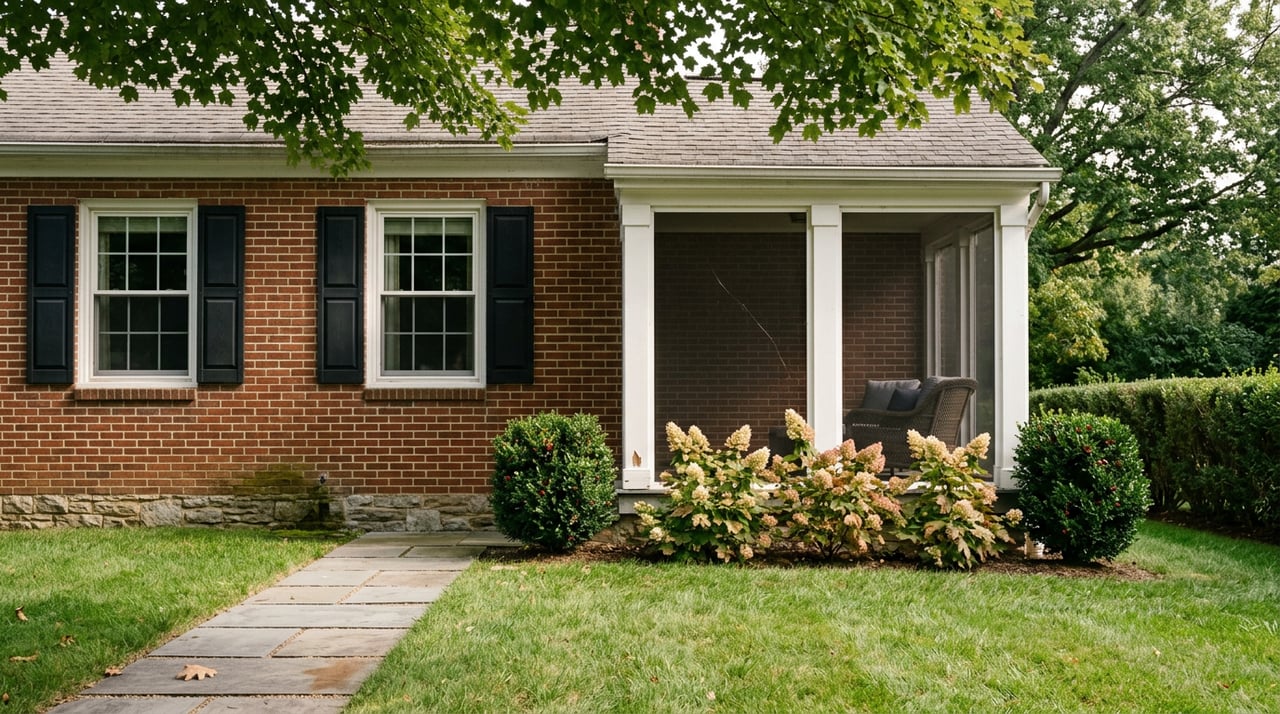
Resale homes can offer established neighborhoods, mature landscaping, and quicker move-in. Many buyers trade some newer features for more lot size or a location close to major routes like I-95, Route 1, and Route 301.
What to expect:
- Pricing may be lower than new construction for similar size, but factor in short-term maintenance needs.
- Typical contract-to-close is roughly 30 to 60 days depending on financing and negotiations.
- You can see how the space lives today, and you may improve value through thoughtful updates.
Cost comparison: beyond the sticker price
Think in terms of total cost of ownership, not just list price. New builds can require higher deposits for options and selections. Resales often involve a standard earnest money deposit with inspection and loan contingencies.
Key cost factors to compare:
- Upfront cash: Builder deposits for options versus earnest money on resale.
- Closing costs: Builders may offer incentives like closing help or rate buydowns. Resale sellers may offer credits, but it depends on negotiations.
- HOA and community fees: Newer communities can have initiation fees and higher dues that fund amenities. Established neighborhoods may have lower dues or no HOA.
- Property taxes and assessments: New homes may be reassessed post-closing. Review recent assessments and ask about any special district or transfer taxes.
- Near-term maintenance: New builds typically have lower maintenance for the first few years. Resales might need replacements for items like HVAC or a roof.
Timeline to move
Your timeline might decide the answer for you. If you need to move quickly, a resale can be the faster path to closing.
- New construction: Several months to 12 plus months based on builder schedules, permitting, and supply chain. Ask for the builder’s current start-to-close timeframe.
- Resale: Often 30 to 60 days to close, depending on financing and contingencies.
- Bridge planning: If you are selling a home to buy, coordinate timing. Options include rent-backs, temporary housing, or flexible closing dates.
Warranties, inspections, and quality
Warranties are a big differentiator for new construction. Builders usually provide layered protection and a punch-list process around closing.
- New construction: Expect a 1-year workmanship warranty, a 2-year systems warranty, and a longer structural warranty. You can still hire independent inspectors at key stages such as pre-drywall and final walkthrough. Confirm the builder’s policy on third-party inspections and how service requests are handled after closing.
- Resale: Order a full home inspection and add specialist inspections if needed, such as chimney, septic, well, or pest. Review maintenance history, permitting for past work, and any transferable warranties from recent replacements.
HOA rules and community amenities
In Middletown, many new communities include features like sidewalks, trails, or a clubhouse. That can add convenience and support long-term value if maintained well. It can also come with higher dues and more formal architectural rules.
- Newer HOAs: Often professionally managed with detailed design guidelines, planned amenities, and initial reserves funded through setup fees.
- Established neighborhoods: Sometimes lower dues or none at all and more flexibility on exterior changes. Rules and reserves vary by community.
Tip: Ask for the full HOA documents, dues schedule, and amenity timeline before you commit. Review rules on exterior changes, fencing, and parking so there are no surprises.
Customization and future appeal
New homes let you personalize finishes and, in some cases, minor layout changes. Just remember that not every upgrade will deliver a dollar-for-dollar return at resale. Focus on features Middletown buyers commonly value.
What tends to help resale value:
- Practical floor plans with open main living areas
- Energy-efficient systems and windows
- Spaces for remote work or multi-use rooms
- Comfortable outdoor living areas
- Bedroom and bath count that matches the local norm
Resale homes may offer unique character and established lot sizes. Strategic updates can add value if you choose improvements that align with neighborhood expectations.
Energy efficiency and maintenance
Many new builds include modern insulation, efficient windows, and newer HVAC systems that can lower near-term utility costs. Resales may have older components, so factor in likely replacements within the first several years.
Plan ahead by:
- Reviewing ages of major systems and roof
- Asking for typical utility costs
- Considering preventive maintenance budgets for the first 1 to 5 years
Long-term value in Middletown
In the Wilmington metro, value often tracks with location fundamentals. Think drive times to employment centers, proximity to major roads, and neighborhood desirability over time. Community supply matters too. Neighborhoods with thoughtful planning, durable build quality, and appealing layouts can hold premiums better.
Consider these value drivers:
- Location and commute options along I-95, Route 1, and Route 301
- Lot orientation and size within the subdivision
- HOA dues relative to amenities and maintenance quality
- Floor plan functionality that appeals to a broad buyer pool
“In Middletown, your best long-term play is the home that fits your timing and total cost of ownership, not just the sticker price,” says Charis. “We help you weigh build quality, HOA rules, commute options, and likely maintenance so you feel confident on day one.”
Buyer checklists you can use
Use these side-by-side lists when you tour communities or homes.
Questions for builders
- What is the current build timeline and the most common causes of delay?
- What warranties are included for workmanship, systems, and structure, and who handles claims?
- Which options are standard vs upgrades, and what do popular options typically cost?
- Are there lot premiums, and can you share recent comparable sales for similar lots?
- Are independent inspections allowed at pre-drywall and final?
- What incentives are available now, including closing help or interest rate buydowns?
- What are the HOA dues, initiation fees, covenants, and amenity timelines?
Questions for resale sellers
- How old are the roof, HVAC, water heater, and major appliances? Any recent replacements or transferable warranties?
- Are there known defects or past insurance claims?
- Which updates were permitted, and can you share documentation?
- What are typical utility costs and the property tax history?
- How long has the home been on market, and have there been price changes or multiple offers?
Inspection steps to expect
- New construction: Consider stage inspections such as pre-drywall, mechanical, and final walkthrough, plus a warranty punch list after closing.
- Resale: Full home inspection plus specialists if needed, such as chimney, septic, well, or pest.
- Both: Confirm a property survey, check flood zone status, verify easements, and confirm utility connections.
Negotiation levers that work
- New construction: Ask about incentives for closing costs, rate buydowns, included upgrades, or flexibility on lot premiums and deposits when inventory is slower.
- Resale: Negotiate price, seller credits for repairs, and inclusion of appliances or certain furnishings. Timing flexibility can also make your offer more attractive.
How to decide what fits you
You can narrow your choice by ranking your needs across four pillars: timing, total cost, lifestyle, and long-term goals.
- If speed matters most: Resale often wins with a 30 to 60 day path to closing.
- If you want low maintenance early: New construction typically offers fewer near-term repairs plus warranty coverage.
- If you want amenities and newer infrastructure: Newer communities may deliver more shared features, along with higher dues.
- If you prefer established neighborhoods or bigger lots: Resales can fit that profile, with potential for equity through smart updates.
Next steps:
- Set your target timeline and desired move-in date.
- Define your monthly budget, including HOA dues and a maintenance reserve.
- List your top five features that affect daily life, such as commute routes, workspace, yard size, or outdoor living.
- Tour at least one new community and two resales that match your criteria, then compare total cost of ownership.
When you are ready to weigh real numbers for Middletown, a local, hands-on advisor can help you compare specific builders and resales, review HOA documents, and analyze likely maintenance and resale potential. If you want a clear, side-by-side plan tailored to your timeline and goals, reach out to Charis Furrowh for a friendly, no-pressure conversation.
FAQs
How do new-build costs compare to resales in Middletown?
- New construction often carries a price premium and higher upfront deposits for options, while resales may cost less but can need near-term maintenance.
How fast can I close on a resale vs a new build?
- Resales commonly close in 30 to 60 days, while new builds can range from several months to a year or more depending on builder timelines.
Do builder warranties cover everything in a new home?
- Warranties are staged by coverage type and time; understand what is covered for workmanship, systems, and structure, and how to submit claims.
Are HOA dues higher in newer Middletown communities?
- Newer HOAs often have higher dues tied to planned amenities and reserves, while established neighborhoods may have lower dues or none at all.
What should I inspect in a new build vs a resale?
- For new construction, consider stage inspections and a final walkthrough; for resales, order a full inspection and add specialists if conditions warrant.
Can I negotiate on a new build in Middletown?
- Yes, ask about incentives such as closing help, rate buydowns, included upgrades, or flexibility on lot premiums and deposits.