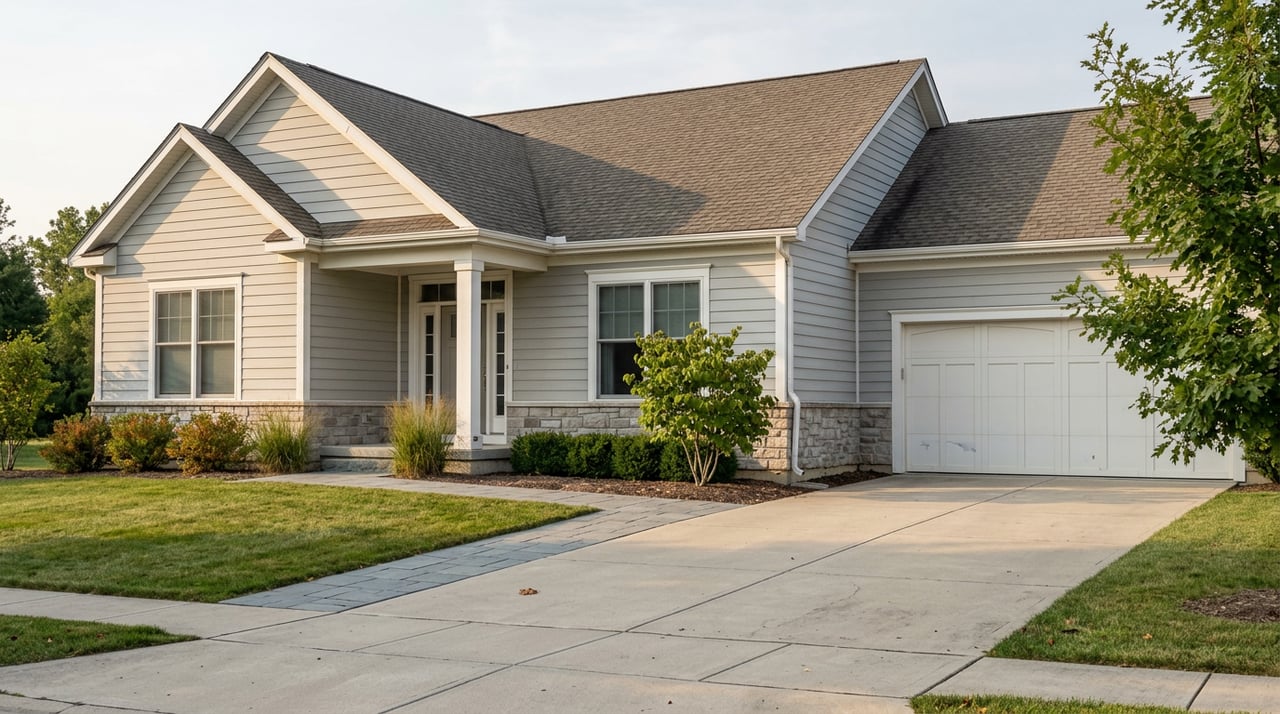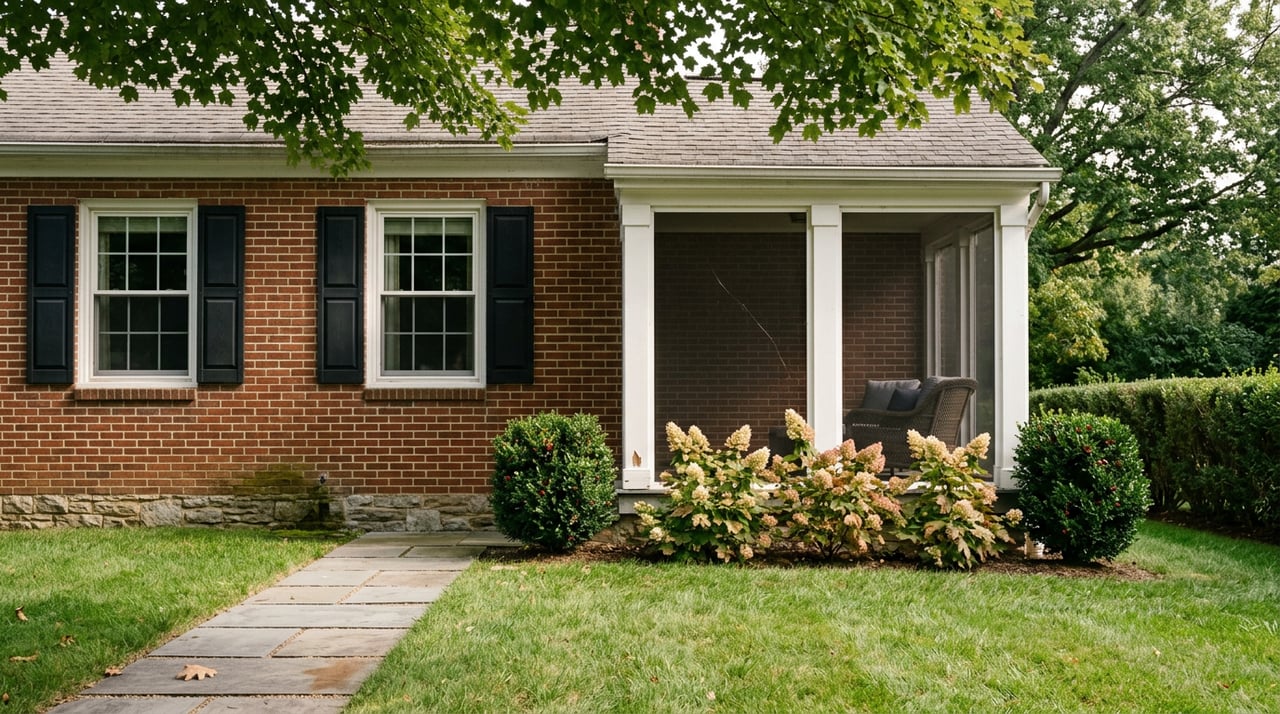
What is my Newark home really worth right now? If you are thinking about selling, that question can feel huge. You want a price that attracts strong offers without leaving money on the table. In this guide, you will learn a clear, local process to price with confidence using Newark-specific comps, condition adjustments, and micro-location insights. Let’s dive in.
Start with Newark market signals
Before you pick a number, check the local pulse. Look at recent sold prices and days on market in Newark and nearby neighborhoods over the past 30 to 180 days. Use multiple windows so one unusual sale does not skew your view.
Inventory and sale-to-list price ratios matter. Tight inventory often supports pricing near the market value or slightly above. Softer conditions may require more conservative pricing or seller concessions.
Factor in demand drivers that are unique to Newark. University of Delaware enrollment and leasing cycles influence activity close to campus. Commuter patterns to Wilmington and Philadelphia, as well as the current interest-rate environment, affect buyer demand across New Castle County. Seasonality also plays a role, with spring usually seeing more listings and showings.
Authoritative sources include Bright MLS for verified comps, New Castle County public records for legal and tax details, and FEMA flood maps for insurance considerations. Pair those with Delaware REALTORS market updates and UD housing insights for context.
Choose the right comps
Accurate pricing starts with apples-to-apples comparisons. The best comparables mirror your property type, micro-location, size, and condition.
Newark comp rules to follow
- Property type and use: Compare single-family to single-family, townhome to townhome, and condo to condo. Do not blend owner-occupied homes with purpose-built student rentals without careful adjustments.
- Proximity: Start in the same subdivision or immediate neighborhood. If you must expand, move out in small rings, like 0.25 to 0.5 mile, then up to 1 mile, and tighten adjustments as distance increases.
- Timeframe: Aim for sales from the last 3 to 6 months. If activity is slow, reach back to 9 to 12 months and note any market shifts.
- Size and layout: Target comps within about plus or minus 15 percent of gross living area with similar bedroom and bathroom counts.
- Lot and outdoor features: Compare lots with similar usability and access. A flat, fenced yard with a usable patio is not the same as a steep or limited-use lot.
- Condition and upgrades: If you cannot find near-twins, select comps with known differences and plan clear, supportable adjustments.
Build a balanced comp set
A practical Newark CMA usually includes 8 to 12 total comparables. Focus on 3 to 5 closed sales as your anchors. Add 2 to 4 active listings to understand current competition, 1 to 2 pending sales to show momentum, and 1 to 2 expired or withdrawn listings to mark pricing ceilings that failed.
Document every adjustment and the reason behind it. When student-rental dynamics, parking rules, or local permit restrictions apply, note them so the pricing story is honest and complete.
How condition and upgrades influence value
Condition drives buyer confidence. In Newark, certain updates and system replacements consistently move the needle.
High-impact improvements
- Kitchens and bathrooms: Updated finishes, functional layouts, and modern fixtures are top value drivers.
- Mechanical systems and roof: Newer HVAC, water heaters, and roofs reduce immediate repair risk and can improve perceived value.
- Finished basements: Permitted, finished living space often adds value when it is usable and well integrated.
- Energy efficiency: New windows, insulation, heat pumps, or solar may help, though premiums vary by buyer profile and micro-market.
- Curb appeal: Fresh exterior paint or siding, a clean roofline, and simple landscaping upgrades set first impressions that affect offers.
Verify and support your claims
Gather proof so your CMA adjustments are credible.
- Permits for major work and additions
- Receipts and warranties for system replacements
- Photos of key rooms and systems
- Utility bills if you highlight efficiency
- HOA or condo documents, including fees and reserves
If known issues exist, consider pricing that reflects necessary repairs or provide estimates. Buyers respect transparency.
Newark micro-locations and pricing bands
Two homes a few blocks apart can sell for different prices because the micro-location changes the buyer pool and the features they value.
What shapes pricing bands
- UD campus adjacency: Student rental demand attracts investors and parents. These homes may command higher rents but can show more wear, which affects owner-occupier pricing.
- Downtown and Main Street walkability: Proximity to shops, restaurants, and the train station can command premiums for buyers who value convenience.
- Suburban subdivisions: Larger lots and garages create a different pricing band than campus-adjacent streets.
- Major roads and noise: Being close to I-95, Route 273, or busy corridors can reduce value depending on noise and access.
- Parks and trails: Access to places like White Clay Creek State Park is often a plus, especially with direct or convenient access.
- Floodplain and drainage: Homes in mapped flood zones may require flood insurance, which affects demand and price.
- Transit and commuting: Easy access to the Newark Train Station and commuter routes supports certain buyer segments.
Map your micro-market
Define the immediate micro-market with a simple map that shows a 0.25 to 0.5 mile radius, plus boundaries like rail lines, state park edges, and major roads. This makes it clear why two nearby homes fall into different pricing bands and why you should not mix those bands when choosing comps.
A step-by-step CMA workflow
Use this repeatable process to align your list price with the Newark market.
Define the subject precisely. Confirm property type, legal description, gross living area, beds and baths, lot size, parking, age, and permits.
Identify the micro-market. Decide whether you are downtown, campus-adjacent, in a suburban subdivision, or on a more rural edge.
Pull comps from MLS. Start with closed sales from the last 3 to 6 months, then add active, pending, and expired listings for context.
Screen for similarity. Keep comps aligned on type, size, lot usability, condition, and micro-location.
Adjust objective differences first. Square footage, bedroom and bathroom counts, and lot size are usually quantified per local price-per-square-foot or per-room norms.
Adjust for condition and upgrades. Apply dollar or percentage adjustments based on paired sales or local appraiser guidance. If ranges vary, show low, median, and high scenarios.
Reconcile to a value range. Present a likely value band with clear rationale and a recommended list price based on your goals and market tempo.
Document assumptions. Package the comps, adjustments, and suggested pre-list prep or repairs with a simple, transparent summary.
Smart pricing strategies
Once you have a supported value range, your list price is a strategy choice.
- Price at market to maximize net: Works well when inventory is balanced and your home is in solid, move-in-ready condition.
- Price slightly below to spark demand: Can draw more showings and multiple offers in tight inventory micro-markets, especially if your home shows beautifully.
- Price at the top for rare features: If your home has uncommon upgrades, a superior lot, or a prized location that comps do not fully capture, a top-of-range list may be justified. Monitor showing feedback and adjust quickly if activity lags.
Use active listings as your competitive frame. Use closed sales as your proof. Watch feedback, showing counts, and online views within the first 7 to 10 days, and be ready to pivot.
Seller prep checklist
Gather these items to accelerate your CMA and support buyer confidence.
- Deed and most recent property tax bill
- Prior MLS history if the home was listed before
- Permits and certificates for renovations or additions
- Receipts and warranties for roof, HVAC, and other major systems
- Interior and exterior photos with dates
- Any inspection reports or contractor estimates for known issues
- Seasonal utility bills
- HOA or condo documents
- Rental history if leased, including licensing where required
Common pitfalls to avoid
- Mixing micro-markets: Campus-adjacent streets and suburban subdivisions serve different buyer pools and pricing bands.
- Overweighting outdated comps: Markets can shift in a few months. Balance 3 to 6 month data with a longer lookback only when necessary.
- Over-adjusting with thin data: If your adjustment ranges are wide, present low, median, and high scenarios rather than one exact number.
- Ignoring floodplain or permits: Insurance costs and non-permitted spaces can derail deals or require pricing changes.
- Skipping documentation: Unverified upgrades and vague condition claims lead to appraisal challenges and buyer skepticism.
Ready to price with confidence
When your comps match your micro-location, your adjustments are documented, and your strategy fits market tempo, you can list with clarity. If you want a hands-on, Newark-focused valuation with clear steps and fast communication, reach out to Charis Furrowh to Request a Free Home Valuation. We will build your CMA, recommend smart prep, and price your home to meet your goals.
FAQs
How are comps selected for Newark homes?
- Start with the same property type and immediate neighborhood, use the last 3 to 6 months of sales when possible, and keep size, layout, lot, condition, and micro-location as similar as possible.
How do University of Delaware rentals affect value?
- Investor demand and higher rents near campus can change pricing dynamics, but owner-occupier buyers may discount for wear or layout, so treat UD-adjacent homes as a separate pricing band.
Which upgrades deliver the most value in Newark?
- Updated kitchens and baths, newer HVAC or roof, and well-finished basements are frequent value drivers, supported by local paired sales and appraiser guidance.
How far back should I look for sold comps in a slow market?
- Aim for 3 to 6 months first; if activity is thin, extend to 9 to 12 months and note market direction when reconciling your price.
Should I price off active listings or sold comps?
- Sold comps prove what buyers actually paid, while active listings set your competition; use both, but anchor value in closed sales.
How does being in a floodplain influence pricing?
- Required flood insurance can affect demand and net affordability, so verify flood maps and factor that into your pricing and disclosures.
What should I gather before a professional CMA?
- Collect your deed, recent tax bill, permits, receipts and warranties, photos, any inspections, utility bills, HOA documents, and rental history if applicable.