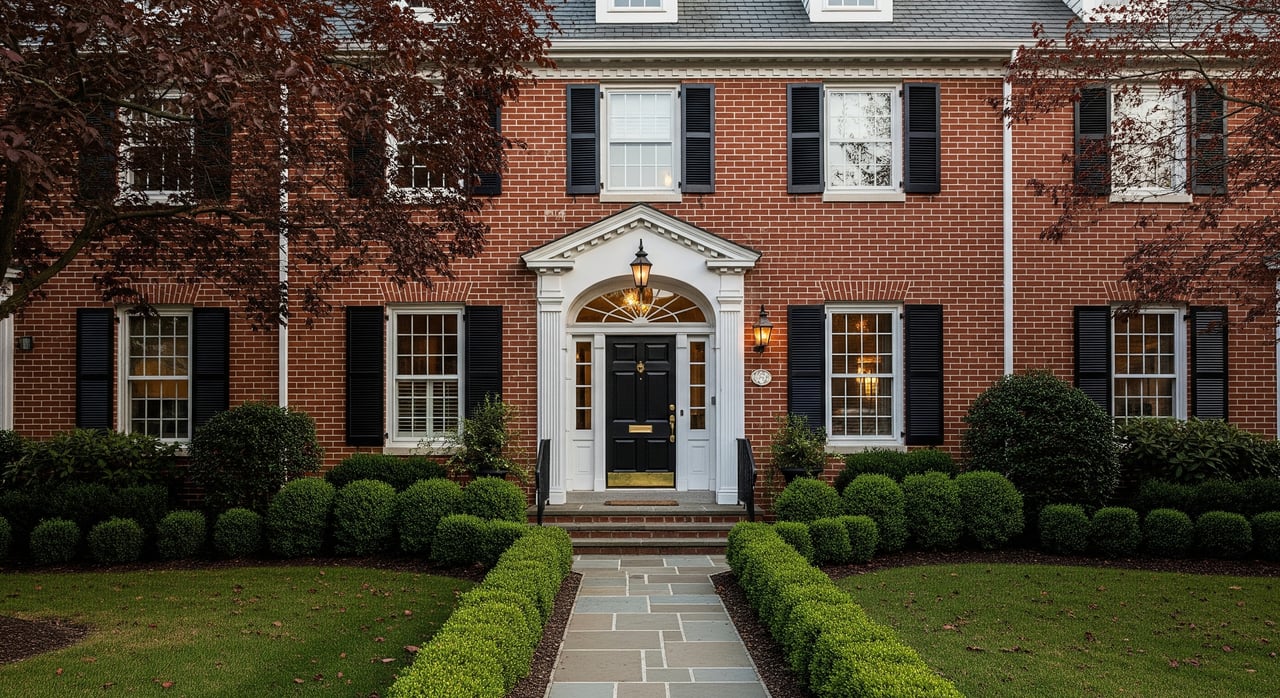
Buying your first home in Newark can feel exciting and overwhelming at the same time. You might be wondering which Delaware programs you qualify for, how they work with your mortgage, and what to do first. You deserve clear answers that save you time and help you plan your budget with confidence. In this guide, you’ll learn the key first-time buyer options in Delaware, how eligibility works, how assistance pairs with popular loans, and what to expect in the Newark market. Let’s dive in.
Program options in Delaware
Delaware State Housing Authority (DSHA). DSHA offers the core statewide assistance for first-time buyers. Programs typically include a fixed-rate mortgage option, down payment and closing cost help structured as a second loan or grant, and required homebuyer education. DSHA also maintains a list of participating lenders and approved housing counselors. Always confirm current DSHA terms directly, since details and limits are updated periodically.
Federal mortgage pairings. Many Newark buyers pair assistance with these common loan types:
- FHA: Minimum 3.5 percent down, often paired with down payment assistance.
- VA: Zero-down for eligible service members and veterans, subject to VA rules.
- USDA: Zero-down in eligible rural areas. Some parts of New Castle County will not qualify, so use the official map to check property eligibility.
- Conventional low-down-payment: Fannie Mae HomeReady and Freddie Mac Home Possible allow low down payments and may pair with state assistance, subject to income and training rules.
Local municipal or county programs. New Castle County and the City of Newark sometimes offer additional grants or targeted programs. Availability and locations can change, so verify current offerings with county or city housing offices.
Nonprofit and lender-based options. HUD-approved counseling agencies and some local lenders may offer education, referrals to grants, or reduced-cost programs. Ask whether your lender is DSHA-approved and experienced with first-time buyer assistance.
Who qualifies and what to expect
First-time buyer definition. Many programs define a first-time buyer as someone who has not owned a principal residence in the past three years. Confirm the exact definition for any program you consider.
Income limits and price caps. Most assistance includes maximum household income limits and purchase price caps that vary by county and sometimes property type. Check the current New Castle County limits to ensure your target price point fits.
Property and occupancy rules. Assistance is typically for owner-occupied primary residences. Single-family homes, townhouses, and many condos are common, while manufactured homes or investment properties can have separate rules. Properties must meet minimum standards and pass appraisal.
Credit and debt guidelines. Programs and lenders will look for a minimum credit score, stable income, and acceptable debt-to-income ratios. Down payment assistance can affect reserves or DTI, so discuss this early with your lender.
Homebuyer education. DSHA and most assistance programs require a HUD-approved homebuyer education course, completed before closing or at application.
How assistance fits your mortgage
Common assistance structures. Down payment and closing help often takes one of three forms:
- Forgivable second lien that becomes a grant after you live in the home for a set period.
- Deferred-payment second mortgage with no monthly payment, repaid when you sell or refinance.
- Repayable second mortgage with interest, less common for first-time buyer tools.
Pairing with FHA, VA, USDA, and conventional. DSHA assistance is commonly used with these loan types, but each has specific rules. VA loans must follow entitlement and occupancy requirements. USDA requires income and property eligibility, and any subordinate liens must be approved. Conventional programs like HomeReady and Home Possible can allow state assistance with proper documentation.
Mortgage insurance and interest. FHA includes upfront and annual mortgage insurance, and DPA does not remove those costs. Conventional loans with less than 20 percent down usually require private mortgage insurance. Some DPA can reduce your required cash investment, but you may still need a minimum buyer contribution.
Underwriting and appraisal. Appraisal and property condition standards still apply. Some assistance requires program signoff on the loan package before closing. Coordinate early so funds and certificates are in place.
Repayment and resale. If your assistance is forgivable over time, moving or selling before the forgiveness period ends can trigger repayment. Deferred seconds are typically repaid when you sell or refinance. Read the terms carefully.
Timeline and Newark market tips
Typical timing.
- Preapproval and program check: 1-7 days for mortgage prequalification, plus time to confirm DPA eligibility.
- Home search: weeks to months, depending on inventory and price point.
- Offer to contract: immediate to a few days.
- Underwriting, appraisal, and program approval: 30-45 days is common, and assistance steps can add time.
- Closing: usually within a few days after final clearance.
Newark market dynamics. The University of Delaware influences rental demand and seasonal inventory patterns in certain neighborhoods. Entry-level condos, townhomes, and modest single-family homes are common for first-time buyers. Inventory can tighten, which leads to quick turnarounds and competitive offers. Proximity to I-95, Route 896, and Newark’s town center often affects pricing.
Price caps vs. local pricing. Because most assistance programs have county-level purchase price caps, compare your preferred Newark neighborhoods and property types to current limits. If caps come in below local list prices, consider nearby areas or conventional financing without DPA.
Local resources and next steps
Use these steps to confirm eligibility and move forward with confidence:
- Confirm whether you meet the first-time buyer definition for your program.
- Get preapproved with a DSHA-participating lender and request a written note on likely loan type and preliminary DPA fit.
- Complete a HUD-approved homebuyer education course and keep your certificate handy.
- Check New Castle County or City of Newark for any local grants or targeted initiatives.
- If you are exploring USDA, verify property eligibility on the official map and review income rules.
- Considering a condo in Newark or nearby suburbs? Ask your lender to confirm project eligibility early.
- Ask your lender how the assistance will be documented and whether it changes your required cash to close, reserves, or timeline.
- Choose a title company familiar with subordinate-lien assistance to keep closing smooth.
Common pitfalls to avoid
- Waiting until after you are under contract to verify assistance eligibility. Some approvals take time.
- Assuming every DPA works with every loan type. Confirm compatibility with your lender and the program.
- Overlooking appraisal and inspection repairs that could affect program compliance and timing.
- Missing county or city nuances, such as targeted area rules or historic district considerations.
Newark-focused strategies to stay competitive
- Get fully preapproved before touring. Sellers in Newark often prefer buyers who are ready to close.
- Align your price range with current DSHA and county limits so you are shopping within realistic targets.
- Keep your timeline flexible. Assistance steps may add days, so plan accordingly when writing your offer.
- If you are considering condos or townhomes, review association rules early and confirm lender requirements.
When you are ready to compare options or map out a plan tailored to your budget and timeline, connect with a local team that knows DSHA rules and Newark neighborhoods. Reach out to Charis Furrowh for friendly, step-by-step guidance from preapproval to keys in hand.
FAQs
Can I use DSHA assistance with an FHA loan in Newark?
- Generally yes, but compatibility depends on the specific DSHA structure and lender rules, so confirm with a DSHA-participating lender early.
Will down payment assistance change my monthly payment?
- If assistance is forgivable or deferred with no monthly payment, it may not change your primary mortgage payment, but underwriting and reserves can still be affected.
Do I have to repay DSHA funds if I move?
- It depends on the terms. Forgivable assistance may require repayment if you sell or move before the forgiveness period ends, while deferred loans are typically repaid at sale or refinance.
Are condos in Newark eligible for assistance?
- Many condos can be eligible, but condo project approval rules vary by program and lender. Confirm project eligibility before you make an offer.
How do I find a lender who knows DSHA programs?
- Use DSHA’s participating lender list or ask local banks, credit unions, and brokers if they are DSHA-approved, then ask about their recent DSHA closings.
How long does a Newark purchase take with assistance?
- From preapproval to closing, 45-90 days is common in competitive markets, and program approvals can add time, so plan ahead and coordinate early.